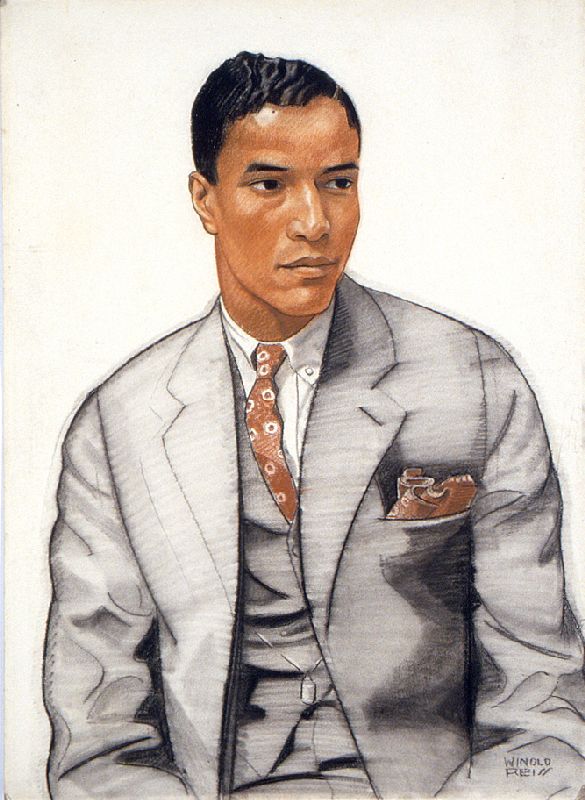
As the 98th anniversary of the April 9, 1928 nuptials of Yolande DuBois and Countée Cullen is upon us, I want to reflect on how I see the event and those involved. I have spent a lot of time thinking and writing about Yolande and Countée while writing my biography of Harold Jackman. It is all too clear that all three figures have been misunderstood and simplified to the point that they are almost unrecognizable. My article in The Harlem Renaissance Revisited examines how Black newspapers covered every detail of the relationship, wedding, marriage, and divorce.
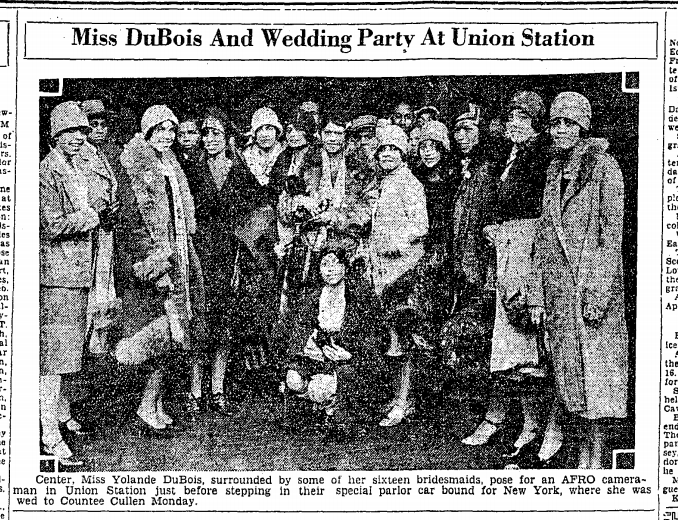
First, a brief summary. Yolande Dubois, a Baltimore schoolteacher, the only surviving child of scholar and activist William Edward Burghardt DuBois and his wife Nina, married Countée Cullen, the popular poet of the Harlem Renaissance and the adopted son of Reverend and Mrs. Frederick Asbury Cullen. Reverend Cullen was the minister of the prestigious Salem Methodist Episcopal Church in Harlem. The wedding took place at Salem on at 6pm on the Monday after Easter, April 9, 1928. It was the most important social event of the Harlem Renaissance because its grandeur and the prominence of the wedding party signified the success of the race. Yolande had 16 bridesmaids and there were 1200 invited guests.
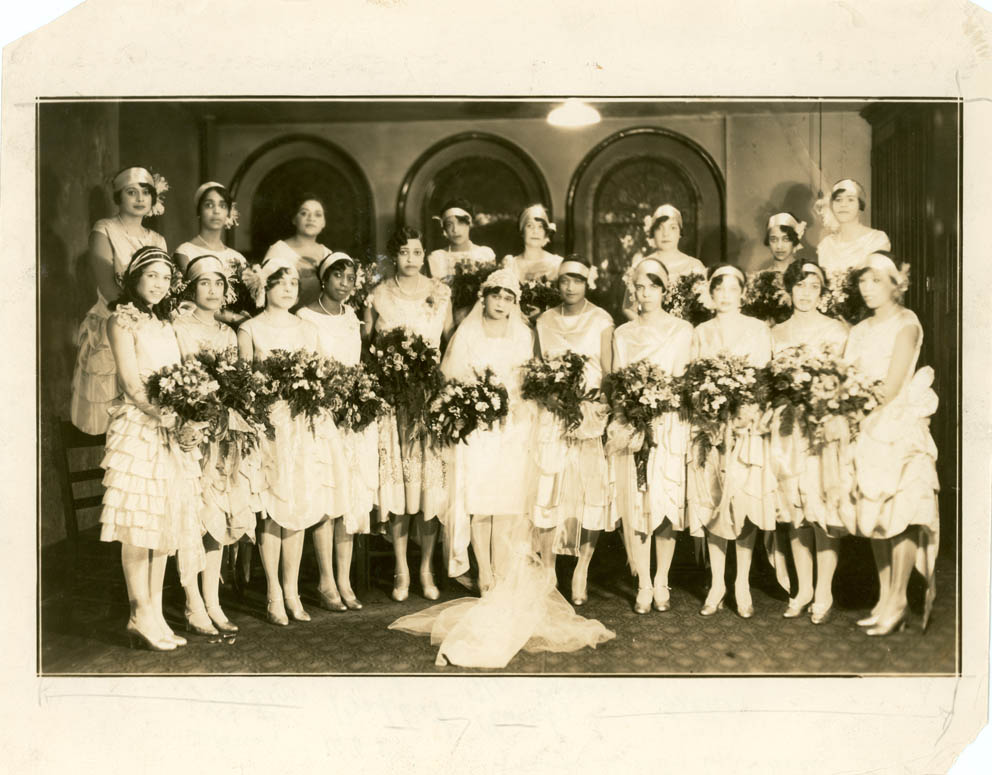
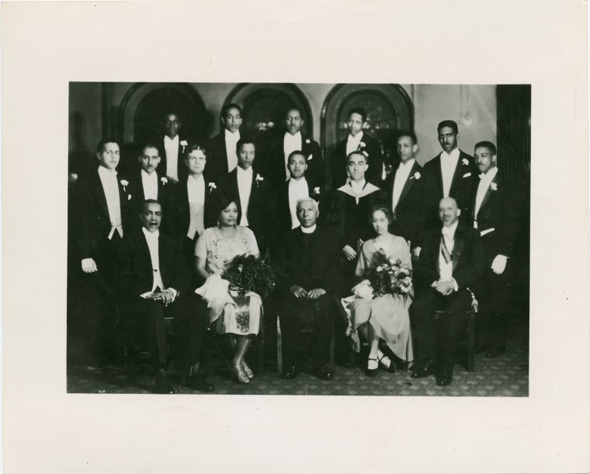
Groom (behind minister), groomsmen, ushers, and parents of the bride and groom
Despite the high expectations, the bride and groom were ill-suited and, by the spring of 1930, they were divorced. Countée left for Paris in early July 1928 to begin his Guggenheim fellowship and Yolande arrived in Paris in August. It should be noted that they did not live in the same city except for their time in Paris. Yolande was devoted to teaching in Baltimore and Countee was an editor at the journal Opportunity.
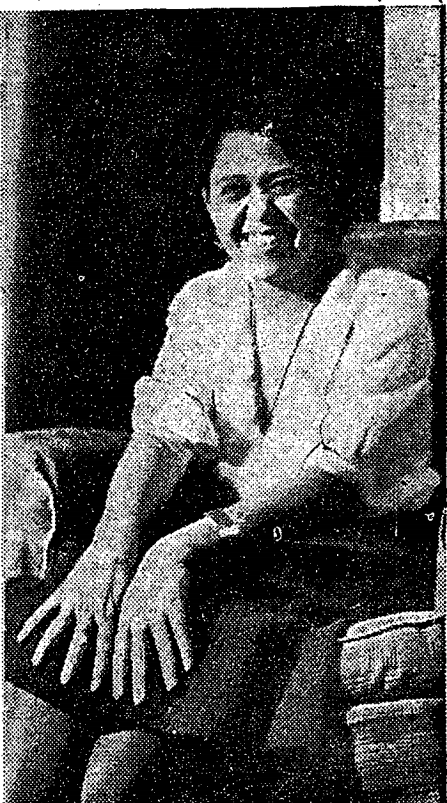
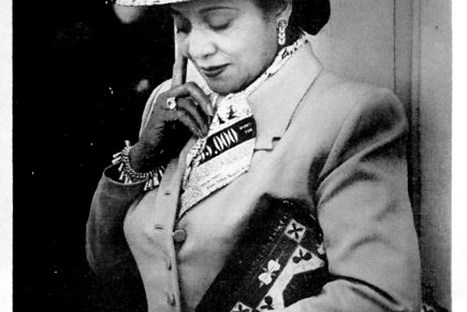
Yolande has always stayed with me. She seemed to have a spirit of fun and adventure about her when those around her wanted her to be less loud, less demanding . . .just less. Her personality was clear in this 1936 Photo. It was taken after her 2 marriages and 2 divorces. She had her daughter and she was finally living as she wanted. Yolande enjoyed teaching at Paul Laurence Dunbar High School in Baltimore and her death in 1961 deeply saddened her students.
Both Yolande and Countée did their best to please their fathers, but the truth usually wins out. As we remember their wedding, let us remember the lesson that they both learned so publicly. To thine own self be true.